
The short answerYes. AI lease management can produce portfolio reports for property investors and management teams by turning lease documents into consistent records, provided people validate the important terms and reconcile the records with accounting and property data.
The short answer
Yes. AI lease management can produce portfolio reports for property investors and management teams by turning lease documents into consistent records, provided people validate the important terms and reconcile the records with accounting and property data.
Yes, AI lease management can produce portfolio reports for property investors and management teams. It does this by extracting lease terms into consistent records, then using those records for measures such as weighted average lease expiry (WALE). The reports are only worth relying on when teams validate material terms and reconcile lease records with accounting and property-management data.
A trustworthy report states what it can show and how WALE was calculated. It also leaves people in control of the figures.
Key takeaways
Property teams tend to ask the same practical questions about AI portfolio reporting.
| Question | Practical answer |
|---|---|
| Can AI produce portfolio reports? | Yes. It can organise lease information and report on dates, option rights, escalations and tenant mix across the portfolio. |
| What does lease abstraction do? | It extracts contract terms into structured fields. That is one input to reporting, not the report itself. |
| What makes reports useful to investors? | A concise view of portfolio measures such as weighted average lease expiry, material changes and exceptions, tied to a clearly defined reporting period. |
| How should teams verify figures? | Trace figures to source records, validate consequential terms and keep an audit trail of corrections and approvals. |
| Can AI combine lease and property records? | Yes, when system integration connects consistent property, unit and tenant identifiers with relevant accounting information. |
| What should teams assess before rollout? | Check reporting requirements, data connections, exception handling and human responsibilities, then test a representative group of assets. |
| Where can teams explore reporting infrastructure? | Our data analytics and reporting service covers source data, reporting pipelines and dashboards. |
What AI lease management can report on
AI lease management supports portfolio reporting by helping teams turn lease terms into information they can compare across properties. Our commercial property lease-management approach brings lease abstraction, automated workflows and portfolio-level reporting into one system.
Lease abstraction extracts contract terms into structured fields. Portfolio reporting groups those fields into summaries and measures across assets. Operational automation can trigger reminders or workflows when a lease event approaches.

Structured lease data helps teams monitor agreed terms: commencement and expiry dates, escalation triggers, option rights and obligations. It does not prove an asset's full financial or operational performance by itself. That still depends on accounting and property information.

AI can organise information, spot patterns and flag exceptions. It should support legal interpretations, financial conclusions and investment decisions, not supply them on its own.
How lease documents become usable data
For reporting, lease information has to live in consistent, searchable fields instead of staying buried in separate documents. Useful fields include commencement and expiry dates, rent, escalation mechanisms, renewal or break options, lettable area and special conditions.
Our AI Lease Abstraction Engine processes lease PDFs, Word documents or existing data extracts and places critical dates, escalation mechanisms, option rights and special conditions into a structured database, with leasing specialists validating the abstraction.
Best for: teams that need to turn a document set into organised lease records that can feed later analysis and reporting.
Include executed leases and their amendments in the source set. An amendment may change a date, an amount or a right, so the report needs to reflect the latest applicable terms rather than an earlier version.
Before extracted fields feed investor or management reports, compare consequential terms with their source documents and send uncertain results for review first. Keep the extracted lease record separate from the final portfolio report, which also needs financial and property-management information.
Reporting rule: when a lease field cannot be tied to a reliable source record, flag it for review instead of filling the gap with an assumption.
Calculate weighted average lease expiry the same way every time
Weighted average lease expiry is the measure investors most often ask for. It is only comparable when the method behind it stays fixed. WALE is the average time left on a portfolio's leases, weighted so that a large lease counts for more than a small one.
And the weighting matters. Weighting by income asks how long the current rent is contracted for. Weighting by area asks how long the space is let for. The same portfolio can give quite different answers.
| Tenant | Share of portfolio rent | Share of let area | Years to expiry |
|---|---|---|---|
| Tenant A | 50% | 20% | 2 |
| Tenant B | 30% | 30% | 5 |
| Tenant C | 20% | 50% | 8 |
In this illustrative portfolio, the WALE calculation by income is (0.5 x 2) + (0.3 x 5) + (0.2 x 8) = 4.1 years. By area it is (0.2 x 2) + (0.3 x 5) + (0.5 x 8) = 5.9 years. Neither figure is wrong. But a report that switches basis between periods would show a change that never happened in the leases.
State these details next to every WALE figure:
- Weighting: income or area, and whether vacant space is left out.
- End point: lease expiry, or the first date a tenant can break the lease.
- Date: the reporting date the remaining terms are counted from.
A structured lease record makes this repeatable, because every lease keeps its expiry and break dates in the same fields as its rent and area. A lease expiry profile should sit next to the WALE figure. It shows how much rent or area expires in each year, so a reader can see whether a reasonable average hides a cluster of expiries in one year.
Shape reports for investors, managers and asset teams
Different readers need different views of the same portfolio. Investors usually need concise portfolio analytics. Management teams need actions. Asset teams need enough detail to investigate a lease or property.

Our AI Commercial Lease Management System generates portfolio-level reporting for investors and management teams.
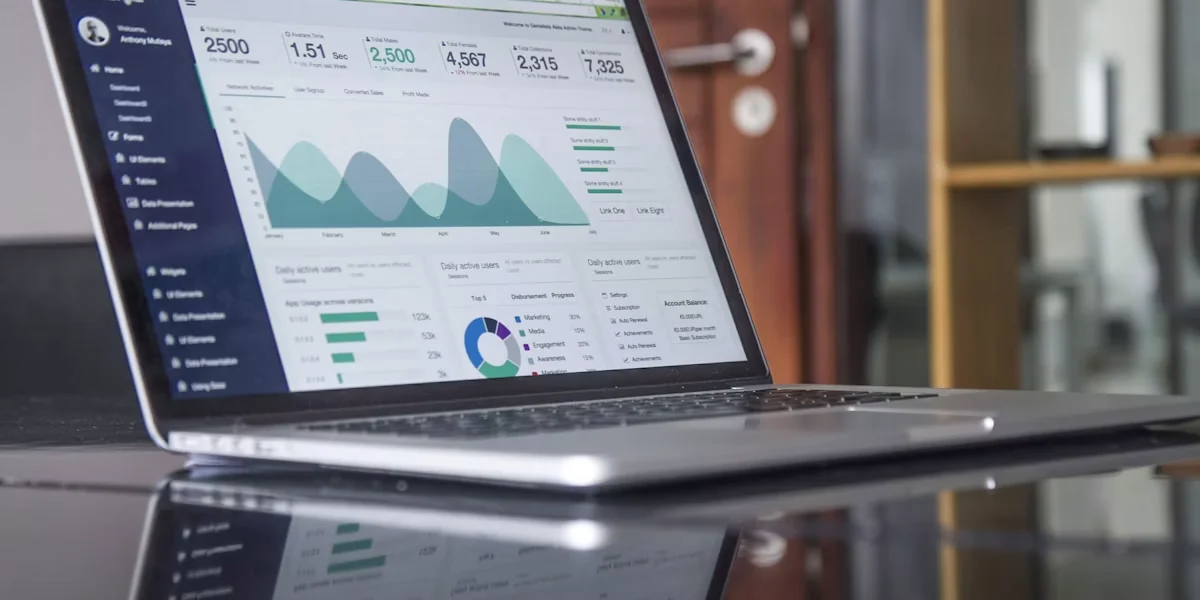
Best for: teams that want a shared dashboard with investor and management reporting shaped around lease events and portfolio measures.
| Audience | Useful report content | Why it helps |
|---|---|---|
| Investors | WALE, expiry profile, upcoming escalations, option rights, tenant mix, material changes and exceptions. | Gives a concise view of lease exposure and developments across the portfolio. |
| Management teams | Upcoming lease events, renewal decisions, escalation dates and follow-up actions. | Turns reporting into a working list for decisions and operational follow-through. |
| Asset teams | Property-level detail, lease records and supporting source information. | Helps teams investigate a specific lease without crowding the investor summary. |
Label each property portfolio report with its reporting period, and separate contractual rent changes from assumptions or forecasts. This helps readers tell a lease-triggered escalation from a market scenario or another forward-looking estimate. The mechanics are covered in our guide to automated CPI escalation calculations and lease reporting.

Did you know? The investable stock of commercial property owned by institutional investors around the world is estimated at around $35tr, according to a 2020 report. Source: Oxford Future of Real Estate Initiative and PI Labs
Reconcile lease, accounting and property records
A portfolio report needs more than contract terms. Connecting leases to property-management and accounting information, such as billed or collected rent and property, unit or tenant identifiers, helps teams compare what the contract says with what operations record.
Our rental portfolio management service describes a wider workflow that includes rent collection, lease renewals, maintenance requests, tenant communications, portfolio analytics and accounting integration.
Match records with stable property, unit and tenant identifiers before adding figures across assets. Resolve duplicate records and mismatched names first, since inconsistent matches can distort totals or attach rent activity to the wrong lease.
Then reconcile lease-derived amounts and dates against accounting records. Flag timing differences, missing fields and other mismatches rather than quietly blending values that do not agree.
For South African portfolios, agree the reporting currency, tax treatment and reporting basis with the responsible finance or compliance team before comparing assets. A consistent basis makes cross-property totals easier to interpret. The same applies to the WALE basis described above.
Make exceptions traceable and reviewable
AI-generated reports need a clear way to separate verified information from records that need attention. Flag missing fields, conflicting lease versions and uncertain clause extraction as exceptions instead of filling gaps or presenting uncertain values as confirmed facts.
Keep traceability from each reported figure or summary back to the record and the lease passage it came from. An audit trail should also show corrections, approvals and the person responsible for each review.
Exception monitoring can direct attention to unusual changes, possible compliance issues and upcoming events that need a decision. A qualified person should review material financial, legal or compliance interpretations before the team acts on them or shares them as conclusions.
- Missing field: identify the absent term and the report measure it affects, such as a lease left out of WALE because its expiry date is blank.
- Conflicting records: show the competing versions and route them for resolution.
- Uncertain extraction: keep the source passage so a reviewer can assess the clause.
- Material change: send the event to the person responsible for follow-up.
Evaluate and introduce reporting in stages
Assess whether a workflow covers the portfolio's lease types, reporting audiences, required measures and exception-handling process, rather than judging it only on document extraction. A useful evaluation also maps where lease, accounting and property data live and tests how the records will connect and reconcile.
Our AI Commercial Lease Management System centralises critical dates and obligations, automates escalation calculations, triggers notifications and action workflows, and generates portfolio-level reporting for investors and management. For the wider checklist of what to compare between systems, see our guide to choosing an AI lease management system for a South African commercial property portfolio.
Best for: commercial property teams looking to bring lease abstraction, event workflows and portfolio reporting into one central system.

Before automating recurring reports, test the workflow on a representative subset of assets and compare its outputs with validated records. Recalculating WALE for that subset by hand is a quick check that the weighting and end point are set the way the team intends. Resolve data and process issues before expanding the pilot across the portfolio.
Assign clear responsibility for source-data quality, exception review, report approval and ongoing updates. This is the unglamorous part, but it is where the report either earns trust or doesn't. Human oversight gives each stage an owner and helps teams keep the reporting process dependable as leases and records change. Teams learning to work alongside these tools can start with AI team enablement.
Frequently asked questions
These are the questions property and finance teams raise once portfolio reporting is running.
How often should AI-generated property portfolio reports be refreshed?
Update records when a relevant lease or ledger change enters the workflow, then create dated reporting snapshots on the schedule agreed with report recipients. After each reporting close, keep the issued version so later changes do not alter the record of what investors received.
Does AI lease management replace property or asset managers?
No. AI can handle repeatable administration and help organise information, but it cannot inspect a property, negotiate a renewal or manage a tenant relationship. Property and asset managers remain responsible for those decisions and interactions.
Can AI estimate future market rent, or does it report contractual rent changes?
Lease records support reporting on contractual rent and agreed escalation mechanisms. A market-rent estimate needs comparable market evidence and assumptions about factors such as location and property type, so teams should present it as a separate scenario rather than a lease-derived amount.
Should weighted average lease expiry be weighted by income or by area?
Either can be valid, so choose the one your investors expect and state it on the report. Income weighting shows how long current rent is contracted for, while area weighting shows how long space is let for. The two can differ noticeably in the same portfolio.
Can a property team begin with one asset or a small group of leases before expanding?
Yes. Choose a pilot that includes the lease patterns the team expects the workflow to handle, such as different escalation structures or amended agreements, and assess how well the process handles each one. This gives the team a more useful test than piloting only its simplest document.
Can AI draft recurring owner or investor updates?
Yes, a reporting workflow can prepare draft commentary on portfolio changes for an owner or investor update. Teams can structure the draft to identify its period, headline movements and outstanding review items, then release it through the organisation's normal approval process.
Conclusion
So, can AI lease management produce portfolio reports for property investors and management teams? Yes, when structured lease records feed audience-specific reporting and connect with reconciled property and accounting information.
Focus on reliable source data, a fixed and stated basis for measures such as weighted average lease expiry, clear exception handling, traceable figures and human review of consequential interpretations. Those controls help investors see the portfolio picture while giving management and asset teams information they can act on.