The short answerThe best CRM sales automation for businesses that need quicker enquiry follow-up captures each enquiry with useful context, gives it a named owner and prompts a salesperson to make a relevant next move.
The short answer
The best CRM sales automation for businesses that need quicker enquiry follow-up captures each enquiry with useful context, gives it a named owner and prompts a salesperson to make a relevant next move.
The best CRM sales automation for businesses that need quicker enquiry follow-up captures each enquiry with useful context, gives it a named owner and prompts a salesperson to make a relevant next move. CRM sales automation should do more than send an instant acknowledgement: the receipt tells the prospect you heard them, and the reply from a person is what moves the sale.
This guide is for South African teams comparing CRM options for faster follow-up. It covers the enquiry path, the data to capture, routing, follow-up rules, how to compare options and what to measure.
Disclosure: Smart AI Solutions wrote this guide and sells the CRM services and packages described in it. No other supplier is ranked here. The checks apply to any CRM system, ours included.
Key takeaways
| Question | Quick answer |
|---|---|
| Which CRM is best for sales automation? | Choose one that fits your enquiry channels and makes ownership, reminders and outcomes easy to manage. |
| What should happen when a new enquiry arrives? | Capture it, assign an owner, alert the right person and schedule a meaningful human response. |
| How can automated follow-up stay relevant? | Use the prospect's request and conversation history, then change or stop messages as the conversation develops. |
| What should sales reporting show? | Measure response time alongside contact, qualification and conversion through the pipeline. |
| Can a small team automate enquiry follow-up? | Yes. Start with a manageable workflow that the team can use and maintain consistently. |
| Can messaging connect with a CRM? | Yes. For example, WhatsApp business automation can support customer conversations as part of a connected follow-up process. |
Map the enquiry path before automating it
Start by mapping the path from enquiry received to first meaningful response, then through qualification and opportunity to a sale or closed-lost. Clear stages show where leads stall and make hand-offs visible, so the team can fix a process instead of automating a broken one.
Assign an owner and a response expectation to each stage before building rules. Define a meaningful response as one that addresses the prospect's actual need. An automated acknowledgement confirms receipt, but it does not replace a salesperson's substantive reply.
Our Health Check, Fix + automate and Managed RevOps options suit different points in that improvement cycle. A pipeline review identifies where enquiries currently stall. CRM clean-up and automation can then address capture, routing, follow-up and reporting.
The Health Check costs R3,000 to R6,000 once-off, scoped on a free consultation. It includes a full pipeline review, a scorecard across five dimensions, a data-hygiene assessment, a prioritised fix list and a 30-minute walkthrough. It suits a team that needs a clear diagnosis before making changes.
Teams ready to implement changes can choose Fix + automate. It includes the Health Check, CRM clean-up and restructuring, automation for capture, routing and follow-up, and reporting dashboards.
Capture enquiries with enough context to act
Connect the channels prospects actually use, such as website forms, email inboxes and messaging, so each enquiry and its previous interactions feed into one CRM record. Staff then have the conversation history they need to respond promptly without asking the prospect to repeat themselves.
Capture the source, the time received and the contact details, along with the product or service of interest and the message itself. Consistent fields help a salesperson personalise a reply and let managers compare how channels and stages perform.
A CRM dashboard and structured enquiry information help teams see both the pipeline and the details behind a new lead. The two images below show those related parts of contact management.


Use duplicate detection and consistent formats for contact details and dates, plus any other key field. This reduces conflicting records and helps prevent two staff members from contacting the same person without knowing it.
For South African businesses, collect only the customer data needed for the sales purpose, limit who can see it, and handle direct marketing and opt-outs in line with POPIA. Where several tools need to share enquiry details, AI integration services in Cape Town can connect systems into a more joined-up workflow.
Route each new lead to an owner and a backup
Lead routing should assign new enquiries according to relevant criteria such as territory, product interest or adviser expertise. Make the assigned owner visible on the lead record so the team can see who is responsible for the next action.
Set a fallback owner for absent staff, after-hours enquiries and records that remain unassigned. If nobody accepts ownership within the agreed response window, send an alert or escalate the lead so it does not sit unnoticed in the sales pipeline.
Qualification questions or lead scoring can help prioritise enquiries, but the score should travel with the prospect's answers and conversation history. That gives the salesperson useful context instead of a bare number. Our guide to AI-powered lead scoring explains how scores are built.
The AI lead qualification system scores inbound enquiries across multiple dimensions, routes qualified prospects to advisers with context and places unqualified leads in nurture sequences. It shows how scoring can support a clear hand-off.
Review routing exceptions regularly. Changes to territories, staff availability or team roles can make old rules unreliable and leave good enquiries without a suitable owner.
Automate follow-up that reflects the enquiry
Trigger a prompt acknowledgement when an enquiry arrives, then create a task for a person to provide a substantive response. This keeps a prospect informed while making clear that an automated receipt is not the whole follow-up.
Use the enquiry source, stated need and conversation history to tailor the next message. Generic sequences can feel irrelevant. A message that refers to the prospect's request gives the salesperson a better starting point.
Space reminders around the sales process, and change or stop a sequence when the prospect replies, books a meeting or declines. This prevents the CRM from continuing a sales cadence after the conversation has moved on.
A focused option is lead follow-up automation for a single branch, which suits a business that wants to focus on enquiry capture and follow-up before automating every process.
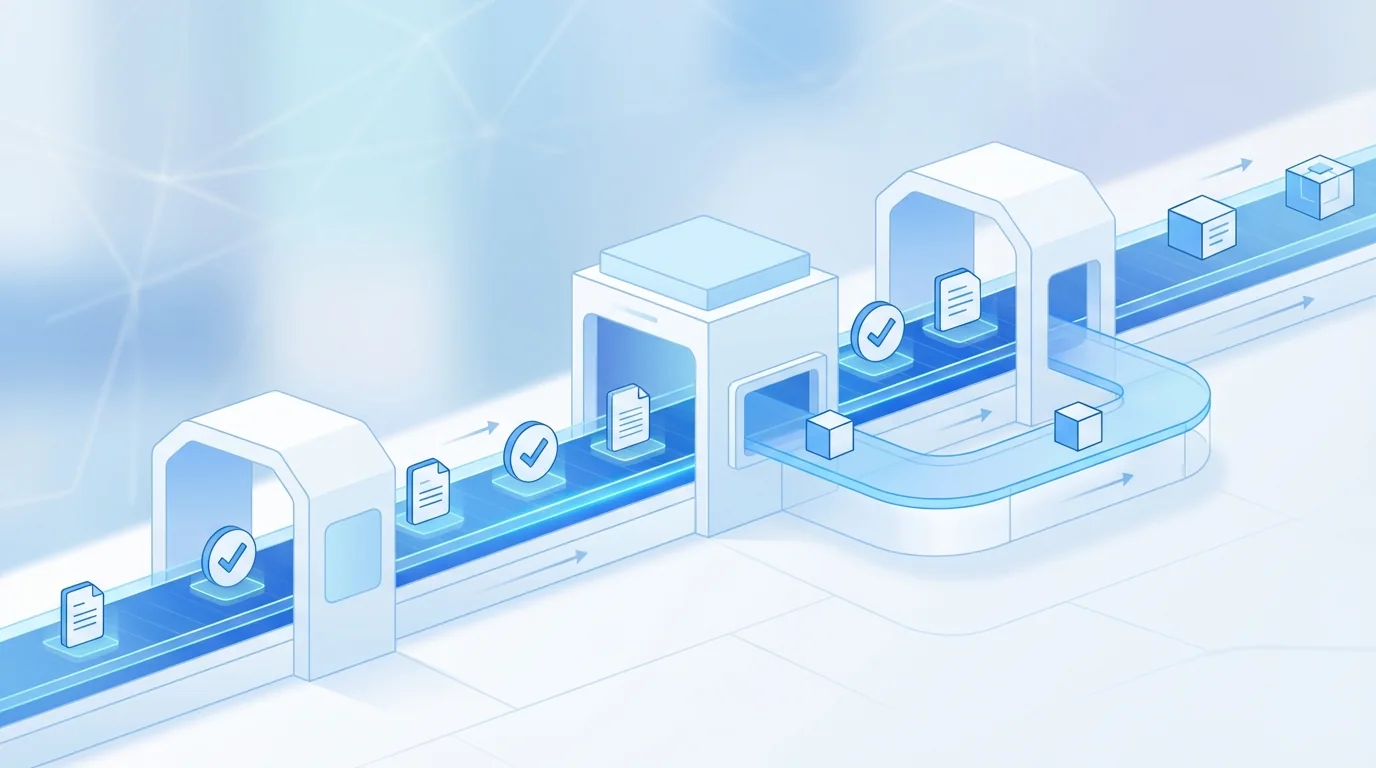
Follow-up works best when the workflow captures what happened as well as what should happen next. The two images below show a customer discussing a quote and a process moving through automated steps. Both are useful reference points for designing a practical sequence.

Did you know? 39% of small businesses planned to develop internal AI capabilities by 2025, according to a systematic review of 37 studies on AI in digital marketing for small retail businesses in Cape Town. Source: International Journal of Business Ecosystem & Strategy
Compare CRM options for the follow-up workflow you need
The best CRM for sales automation is the one that makes the core follow-up jobs straightforward: capture enquiries, assign owners, schedule reminders and record interactions. Compare those tasks in a working workflow instead of choosing from a long feature list.
Our CRM & Sales Automation service covers a pipeline audit and targeted implementation. It uses AI where it addresses an identified bottleneck: lead scoring, automated follow-ups, pipeline intelligence and data enrichment.
| Approach | Best suited to | What it covers |
|---|---|---|
| Pipeline review | Finding bottlenecks before making changes | Stages, lead capture, routing, follow-up, data quality and reporting |
| CRM and sales automation service | Implementing improvements to identified gaps | Pipeline investigation and relevant automation or data improvements |
| Ongoing RevOps support | Continuing to monitor and improve the workflow | Pipeline optimisation, lead scoring and nurture, and monthly performance reporting |
Assess setup scope separately from ongoing needs. A pipeline review diagnoses issues and an implementation service addresses them. Ongoing RevOps support helps a team monitor and optimise the process as it changes.
If the review shows you need a new CRM system instead of changes to the one you have, we build two packages. Prices exclude VAT.
- CRM Lite: R15,000 once-off setup plus R2,999 per month SLA. It covers a customer database, basic pipeline tracking, email integration with basic notifications, and standard dashboards and reports.
- CRM Full: R45,000 once-off setup plus R2,999 per month SLA. It adds automated email and WhatsApp follow-ups triggered by customer actions, multi-step workflows and advanced dashboards.
The monthly SLA is the same for both packages and includes 12 hours of development and support time a month. Unused hours do not roll over, and extra hours are billed at R350 per hour. The full terms are on our pricing page.
Check fit with existing tools and staff habits, too. A simpler sales CRM that the team uses every day will serve enquiries better than a complicated setup that people work around. If you already run a mainstream platform, our guide to adding AI to Salesforce, HubSpot and Zoho covers what each one can do before you consider replacing it.
Finally, make sure the CRM can show the path from enquiry to outcome. For a local service option, CRM sales automation in Cape Town is a relevant starting point for comparing scope. Whichever approach you choose should help managers connect response discipline with sales results.
Measure response speed and sales outcomes
Track median time to first meaningful response and the share of enquiries contacted within the team's target window. These measures show whether prospects are getting a useful response promptly, not just an automatic receipt.
Pair response-time measures with contact rate, qualified-lead rate and conversion between pipeline stages. Fast activity alone does not show whether enquiries are progressing toward an opportunity or sale.
Report on unassigned and untouched enquiries as well as completed tasks. That makes missed leads visible instead of allowing high activity counts to hide gaps in follow-up.

Small businesses using AI marketing tools such as ChatGPT, predictive analytics and WhatsApp chatbots reported a 28% reduction in marketing costs within six months. The figure comes from a review of AI marketing tools, not of CRM software. Source: International Journal of Business Ecosystem & Strategy
Use trend reports to identify slow channels, stages or hand-offs, then adjust the workflow and review the results over time. Managed RevOps includes ongoing pipeline optimisation, lead scoring and nurture, and monthly performance reporting as part of a monthly AI retainer.
Roll out carefully and keep customer records useful
Before migrating contacts, remove duplicates, standardise key fields and preserve useful enquiry history. Clean records make routing and personalisation more reliable from the start.
Test representative enquiries from each channel, including after-hours and unassigned cases. Confirm that the intended owner, alerts, reminders and escalation steps work as expected before relying on the workflow with live enquiries.
Train staff on when to take over from automation, how to record outcomes and how to correct routing or data errors. Clear ownership of these tasks helps keep customer records useful as the business and its processes change.
As you refine the workflow, review message relevance, permissions and opt-out handling. Our workflow automation for South African businesses is relevant when the process needs to connect the CRM with other tools the team already uses.
Frequently asked questions
What is the 3-3-3 rule in sales, and should it determine CRM follow-up timing?
The 3-3-3 rule is a sales-cadence shorthand, commonly interpreted as three outreach attempts across three channels over three days, though teams use the label differently. Use the prospect's needs, the sales cycle and applicable contact permissions to set timing instead of treating the shorthand as a fixed rule.
Can a small sales team benefit from CRM automation without a dedicated CRM administrator?
Yes. A small team can manage a focused workflow if one person is responsible for reviewing exceptions and approving changes to the rules.
How long should a business pilot an enquiry follow-up workflow before changing it?
Use four weeks as a practical initial pilot, then extend it if your typical enquiry-to-decision cycle takes longer. Review actual outcomes from the pilot before changing the workflow, so a temporary variation does not drive unnecessary rule changes.
What should a CRM do when a prospect never replies to the first follow-up?
It should continue only through a finite, agreed sequence, with each contact offering a useful reason to respond. After the last attempt, record the outcome and handle any later nurture according to the prospect's permissions and the team's contact policy.
Should follow-up emails come from a salesperson or a shared business address?
Use a named salesperson when the enquiry needs a personal conversation or a clear one-to-one hand-off. A shared address can suit standard operational updates, provided replies reach the right CRM record and someone owns the response.
What does CRM sales automation cost in South Africa?
Our CRM Lite build is R15,000 once-off setup and CRM Full is R45,000 once-off setup. Each carries a R2,999 per month SLA with 12 hours of development and support time, no rollover, and extra hours at R350 per hour. Prices exclude VAT. A CRM Health Check on an existing system costs R3,000 to R6,000 once-off.
Conclusion
Effective CRM sales automation for businesses that need quicker enquiry follow-up combines reliable lead capture, clear ownership, relevant reminders and reporting that connects activity to outcomes. Map the path first, automate the parts that remove delays, and keep a person accountable for the meaningful conversation that moves each enquiry forward. To review your own pipeline, talk to us.