The short answerGenerative Engine Optimization (GEO) is the discipline of making your business visible in AI-generated answers.
The short answer
Generative Engine Optimization (GEO) is the discipline of making your business visible in AI-generated answers.
What Is A New Discipline for a New Search Reality?
Direct answer: In 2025 and 2026, the way people find information online changed fundamentally. AI-powered answer engines: ChatGPT, Perplexity, Google AI Overviews, Microsoft Copilot: replaced the traditional "ten blue links" for a growing share of queries. Instead of presenting a list of websites to click through, these systems synthesize a direct answer and cite the sources they drew from.
Current as of 31 May 2026: This article has been reviewed for the 2026 South African AI, SEO, and automation market. Pricing, platform capabilities, Google rich-result rules, and AI model features change quickly, so verify live vendor documentation before procurement. For privacy and data handling, use the Protection of Personal Information Act as the baseline; for search and structured-data implementation, use Google Search Central.
This shift created a new challenge: how do you ensure your business appears in those synthesized answers?
Generative Engine Optimization (GEO) is the answer. It is the practice of structuring your content, technical setup, and online presence so that AI answer engines cite your business when users ask questions relevant to your industry.
This guide covers everything you need to know to start implementing GEO for your South African business.
What GEO Actually Means
The term "Generative Engine Optimization" was coined to parallel SEO (Search Engine Optimization) but for a fundamentally different target: generative AI systems rather than traditional search engines.
SEO optimizes for: ranking on Google's results pages, which show your page as a link users can click.
GEO optimizes for: being cited inside AI-generated answers, where your content is directly extracted and presented. Your brand name appearing as a source citation even if the user never clicks through to your site.
Think of it this way: SEO puts your restaurant on the restaurant guide. GEO gets your restaurant mentioned by the food critic recommending places to eat.
| Feature | Traditional SEO | GEO (AI Search) | Both |
|---|---|---|---|
| Target | Google SERPs | AI Overviews, ChatGPT, Perplexity | All search |
| Content Format | Keywords + backlinks | Citability + structured answers | Comprehensive |
| Measurement | Rankings + clicks | AI citations + brand mentions | Multi-channel |
| ROI Timeline | 3-6 months | 1-3 months for citations | Ongoing |
Why GEO Matters for South African Businesses in 2026
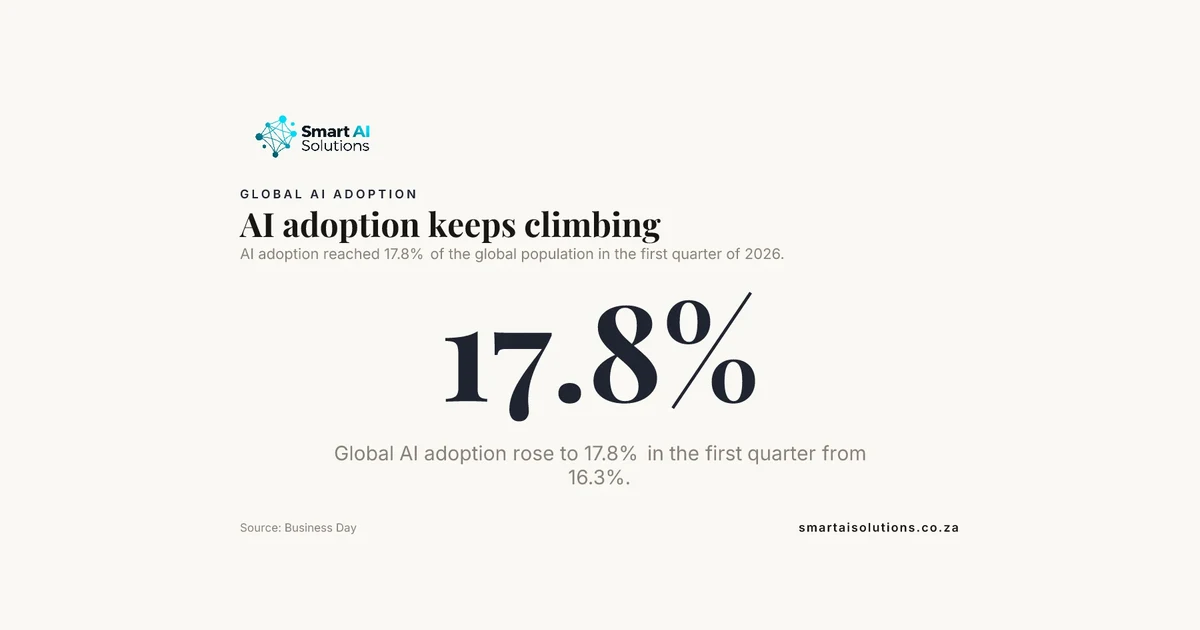
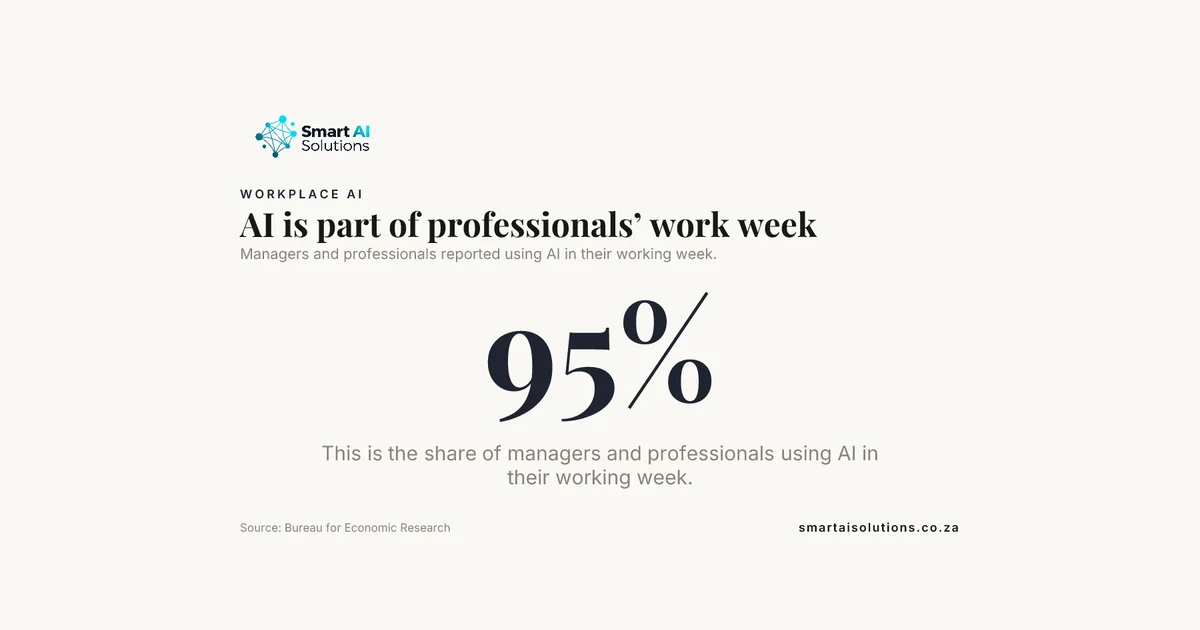
The usage pattern has shifted faster than most businesses realize. Research indicates that a significant and growing share of B2B research queries now go directly to AI tools before or instead of Google. South African knowledge workers, executives, and procurement teams are using ChatGPT and Perplexity to:
- Research service providers ("Who are the best AI consultants in Cape Town?")
- Understand regulations ("What are my POPIA compliance obligations?")
- Compare vendors ("Compare AI automation platforms for South African SMEs")
- Evaluate candidates ("What is Smart AI Solutions and what do they do?")
If your business is not being cited in these answers, you are invisible to this research behavior: regardless of where you rank on Google.
The opportunity in South Africa specifically: GEO is still early here. Most SA businesses have not set up llms.txt, have not added AI-optimized schema, and have not restructured content for citation. Early movers can establish AI authority while competition is low.
The Five Pillars of GEO
Pillar 1: Technical AI Accessibility
Before any optimization can work, AI crawlers must be able to access and index your site.
- robots.txt: ensure you are not blocking OAI-SearchBot (ChatGPT), PerplexityBot, ClaudeBot (Anthropic), or other AI crawlers
- llms.txt. A plain-text guide for AI crawlers at your site's root directory
- Site speed: AI crawlers have crawl budgets; fast-loading pages get crawled more thoroughly
- HTTPS: secure sites are treated as more trustworthy
- No login walls: gated content cannot be cited
Pillar 2: Structured Data
Schema markup translates your page content into machine-readable format that AI models parse directly.
Priority schema types for GEO:
- Organization. Your business identity, location, contact details, services
- LocalBusiness: geographic service area signals
- FAQPage: Q&A pairs that AI models extract directly
- Article: author, publication date, topic classification
- HowTo: step-by-step guides in a citable format
Pillar 3: Content Structure for AI Extraction
AI models extract content differently from how humans read it. Structuring for extraction means:
- Direct answers first: answer the page's primary question in the opening paragraph
- Clear headings: H2/H3 structure that signals topic hierarchy
- Specific facts: named statistics, real examples, concrete numbers
- FAQ sections. The most consistently extracted content format across all AI systems
- Definition blocks. When you introduce a concept, define it explicitly
Pillar 4: Content Authority and Depth
AI systems model authority partly through topical depth: how comprehensively a website covers its subject area.
- Topic clusters: organize content around pillar pages with supporting articles
- Comprehensive coverage: cover the questions, objections, and edge cases in your topic area
- Original insight: repackaged generic content rarely gets cited; original analysis does
- Author credentials: named authors with verifiable expertise signal trustworthiness
Pillar 5: Entity Recognition and Brand Mentions
AI models build a picture of your business from across the web, not just your own website.
- Business directories: SA-specific directories, Google Business Profile, LinkedIn
- Press coverage: mentions in reputable SA publications build entity authority
- Industry associations: being listed by professional bodies (SAICA, SAIT, IITPSA, etc.)
- Partner networks: technology partner directories from Microsoft, AWS, Google Cloud
How GEO and SEO Work Together
GEO does not replace SEO. It extends it. The healthiest digital marketing approach in 2026 treats both as complementary.
A well-executed SEO foundation (quality content, technical health, authority links) creates the conditions for GEO success. GEO-specific work (llms.txt, schema, citation-optimized content structure) captures AI visibility that SEO alone cannot deliver.
Budget-conscious SA businesses can start by auditing existing content for GEO potential rather than creating all-new content. Often, your strongest SEO pages need only structural adjustments: adding FAQ sections, adding schema, restructuring openings: to become strong GEO assets.
Common GEO Mistakes South African Businesses Make
Blocking AI crawlers by accident. Security plugins, CDN rules, or general bot-blocking often catch legitimate AI crawlers. Check your server logs for blocked crawlers monthly.
No llms.txt file. Still the most common technical gap in SA. A one-hour task that many competitors have not done.
Content written for impressions, not extraction. Marketing language full of "we are passionate about" and "cutting-edge solutions" contains nothing AI can cite. Specifics win.
Ignoring freshness. Publishing one guide a year and calling it content marketing is insufficient for GEO. AI models heavily weight recency.
No FAQ sections. FAQ schema is the single easiest GEO win. Every service page should have 5-7 FAQs.
Getting Started: Your First 30 Days
Week 1: Run a GEO audit to establish your baseline scores across all five pillars.
Week 2: Fix technical blockers: robots.txt, create llms.txt, install schema on homepage.
Week 3: Add FAQ sections and FAQPage schema to your 5 highest-traffic service pages.
Week 4: Rewrite the opening sections of your top pages to lead with direct answers rather than marketing preamble.
After 30 days, re-run the GEO audit and manually query ChatGPT and Perplexity for your core queries to check citation status.
For businesses that want expert guidance through this process, our GEO optimization service offers a structured implementation program for the South African market.
The Long-Term Vision
GEO is not a one-time project. It is an ongoing discipline that compounds over time. Each new piece of well-structured content, each new external mention, each technical improvement compounds your AI authority. Businesses that build GEO into their regular content and marketing workflows now will have a significant and durable advantage over late movers.
AI search is not the future. For a growing share of queries, it is already the present.
Related Resources:
Frequently Asked Questions
What does GEO stand for?
GEO stands for Generative Engine Optimization. It is the practice of optimizing your online presence so that AI-powered answer engines like ChatGPT, Perplexity, and Google AI Overviews cite your business in their generated answers.
Is GEO just another name for SEO?
No. While GEO and SEO share some foundations (quality content, technical health), they optimize for different outcomes. SEO targets Google rankings; GEO targets citations in AI-generated answers. The specific tactics, signals, and metrics differ significantly. In 2026, businesses need both.
How much does GEO optimization cost?
Technical GEO (llms.txt, schema markup) can be implemented in-house in 4-8 hours at no cost beyond staff time. Content restructuring varies by site size: typically 20-40 hours for a medium business site. Managed GEO services provide ongoing implementation, monitoring, and content strategy.
How quickly will I see results from GEO optimization?
Technical changes (llms.txt, schema, unblocking crawlers) can produce citation improvements within weeks as AI crawlers recrawl your site. Content authority builds over 2-4 months. Full topical authority positioning takes 3-6 months of consistent work.
Does every type of South African business need GEO?
B2B services, professional services, technology, and healthcare businesses benefit most immediately from GEO because their target audiences actively use AI tools for research. B2C retail businesses have lower immediate GEO priority but should still implement technical basics to stay ahead of the trend.
Can I do GEO without changing my website design?
Yes. Most GEO improvements are either technical (robots.txt, schema markup, llms.txt: none of which change your visual design) or content-level (adding FAQ sections, restructuring text). You can implement substantial GEO improvements without any design changes.
Where should I start with GEO if I have limited time?
Start with a free GEO audit at /tools/geo-audit to understand your current gaps. Then prioritize: (1) fix any AI crawler blocks in robots.txt, (2) create llms.txt, (3) add FAQPage schema to your top service pages. These three steps can be completed in a single day and cover the highest-impact technical basics.