The short answerSouth Africa's solar industry is booming. Load shedding, rising electricity costs, and environmental consciousness drive unprecedented demand.
The short answer
South Africa's solar industry is booming. Load shedding, rising electricity costs, and environmental consciousness drive unprecedented demand.
The Solar Industry Faces Operational Complexity
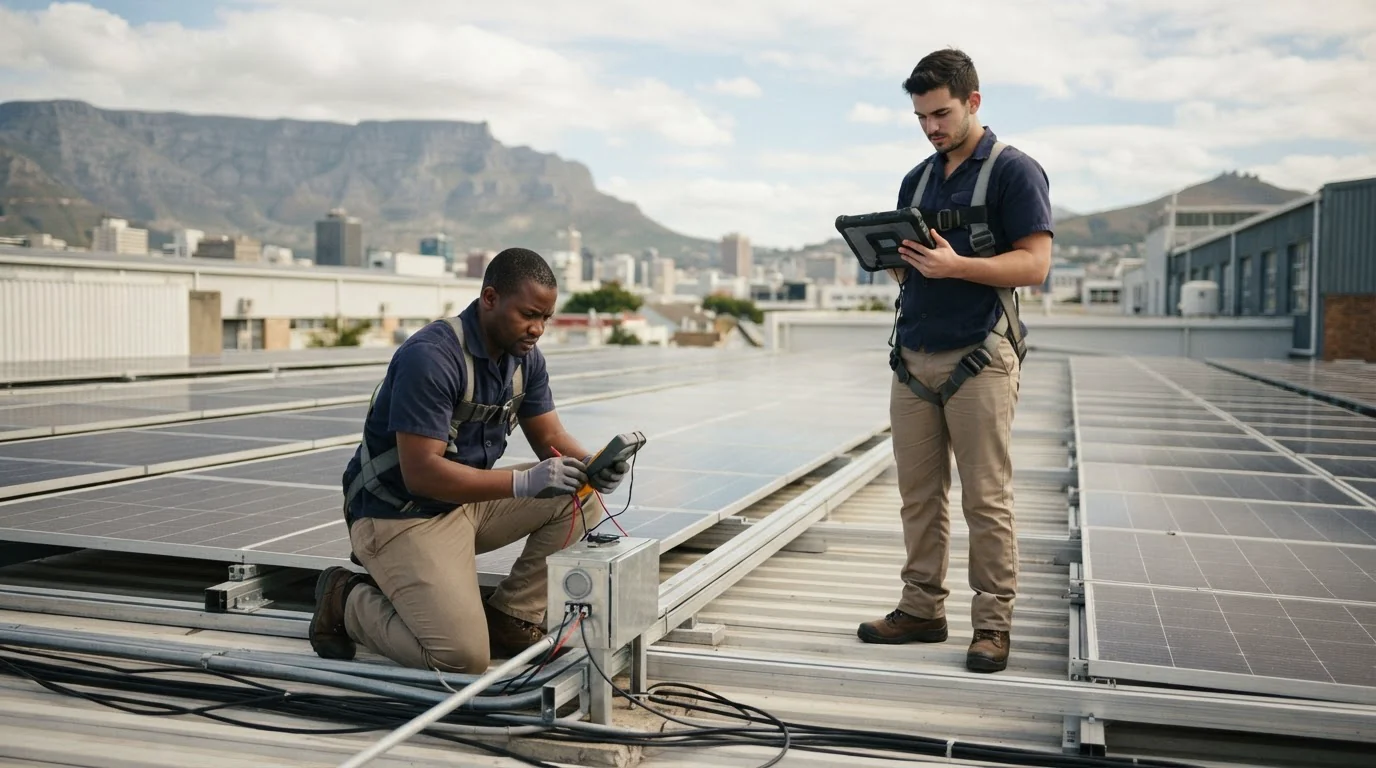
Direct answer: South Africa's solar industry is booming. Load shedding, rising electricity costs, and environmental consciousness drive unprecedented demand. But solar companies face operational challenges that threaten profitability: complex site assessments, coordination of installation teams, equipment logistics, customer communication, and maintenance scheduling.
Current as of 31 May 2026: This article has been reviewed for the 2026 South African AI, SEO, and automation market. Pricing, platform capabilities, Google rich-result rules, and AI model features change quickly, so verify live vendor documentation before procurement. For privacy and data handling, use the Protection of Personal Information Act as the baseline; for search and structured-data implementation, use Google Search Central.
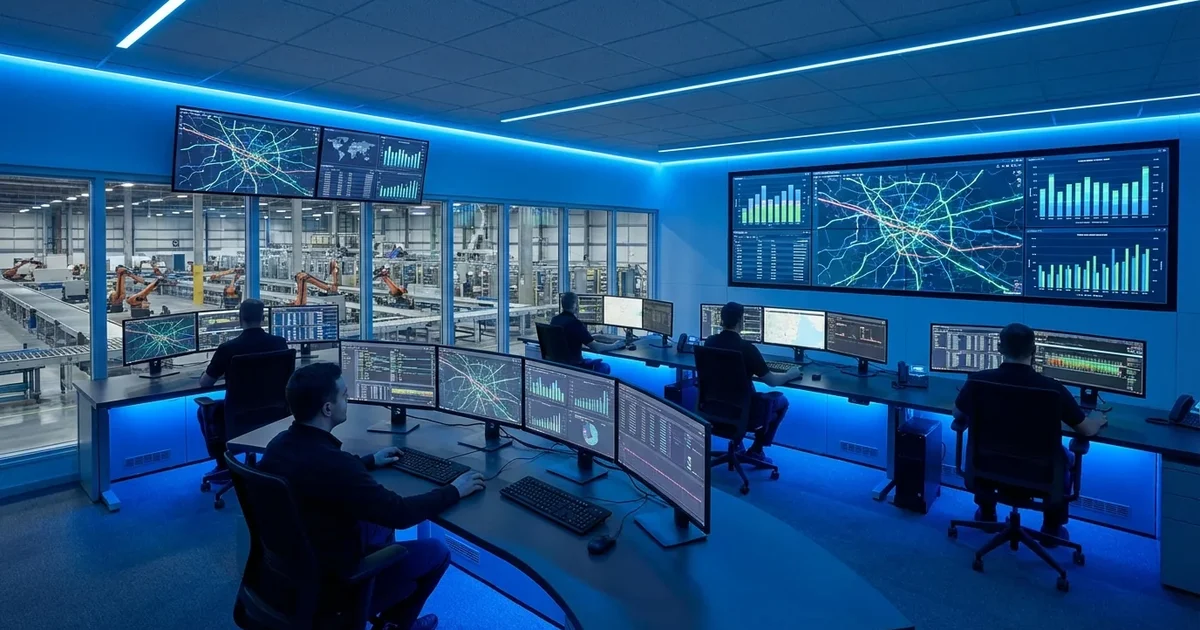
Energy and mining businesses can explore AI-powered equipment maintenance prediction and AI-driven workforce scheduling for field operations.
Traditional field operations rely on manual processes: technicians driving to sites for initial assessments, paper-based work orders, phone calls coordinating teams, spreadsheets tracking inventory, and reactive maintenance approaches. This creates inefficiencies that cost solar companies thousands of Rands daily.
AI is transforming solar field operations. Leading solar installers across South Africa now use AI-powered systems that optimize site assessments, route planning, inventory management, installation scheduling, and predictive maintenance. The results are impressive: 30-40% reduction in operational costs, 25-35% improvement in installation efficiency, and dramatically improved customer satisfaction.
AI-Powered Site Assessment
Traditional site assessments require technicians to visit properties, measure roof dimensions, assess shading, evaluate electrical systems, and calculate energy needs. Each visit costs R1,500-R3,000 in labour and travel, and takes 2-4 hours.
AI changes this completely.
Remote Solar Assessment
Computer vision AI analyzes satellite imagery and aerial photos to assess roof suitability before any site visit. The system automatically:
- Measures roof dimensions and angles with 98% accuracy
- Identifies shading from trees, buildings, and other structures throughout the day
- Calculates optimal panel placement and system size
- Estimates energy production based on location, orientation, and local weather data
- Flags potential obstacles like chimneys, skylights, or structural concerns
A Cape Town solar installer reduced site visit requirements by 60% using AI remote assessment. They now only send technicians for final verification and complex installations, saving R180,000 monthly in assessment costs.
Intelligent Proposal Generation
Once the AI completes the remote assessment, it automatically generates detailed proposals including:
- Customized system design with panel layout visualizations
- Accurate energy production forecasts
- ROI calculations based on current electricity rates and usage patterns
- Financing options tailored to customer needs
- Itemized cost breakdowns
Proposal generation that previously took 4-6 hours now takes 15 minutes, and accuracy improved significantly. Customer conversion rates increased 28% due to faster response times and more professional proposals.
Our customer journey lab helps solar companies optimize the entire customer experience from initial inquiry through installation and maintenance.
| Industry | AI Adoption Rate (SA) | Top Use Case | Avg ROI |
|---|---|---|---|
| Financial Services | 65% | Fraud detection | 300%+ |
| Healthcare | 45% | Patient scheduling | 200%+ |
| Manufacturing | 55% | Predictive maintenance | 250%+ |
| Retail | 50% | Demand forecasting | 180%+ |
Route Optimization for Installation Teams
Solar installation teams travel constantly: between warehouse and job sites, between multiple installations in a day, picking up specialized equipment, and handling emergency service calls. Poor routing wastes hours daily and increases fuel costs.
AI route optimization considers dozens of variables: job site locations, installation duration estimates, team skills, equipment requirements, traffic patterns, and service priority. The system generates optimal daily routes that minimize travel time while maximizing productive work.
Dynamic Rescheduling
When disruptions occur (weather delays, equipment issues, customer cancellations), the AI automatically reschedules affected jobs and reroutes teams in real-time. No more manual phone calls trying to fill suddenly empty time slots.
A Johannesburg solar company reduced average daily drive time from 3.2 hours to 1.8 hours per team using AI routing. With five installation teams, that's 35 hours weekly redirected from driving to productive work. They now complete 6-8 installations weekly instead of 4-5, without hiring additional staff.
Intelligent Inventory Management
Solar installations require coordinating hundreds of components: panels, inverters, mounting hardware, electrical components, and specialized tools. Running out of critical parts delays installations and frustrates customers. Overstocking ties up capital and creates storage challenges.
AI inventory management predicts component needs based on scheduled installations, lead times from suppliers, historical usage patterns, and seasonal demand fluctuations.
Automated Ordering
The system automatically generates purchase orders when inventory reaches optimal reorder points, considering supplier lead times and upcoming installation schedules. A Durban solar installer reduced inventory carrying costs by 35% while virtually eliminating installation delays due to parts shortages.
Equipment Tracking
AI tracks specialized equipment location and utilization. When installation teams need specific tools, the system shows which team has them, when they'll be available, and optimal logistics for transfer. This eliminated duplicate equipment purchases worth R250,000 annually for one mid-sized installer.
Learn how our operations control platform optimizes inventory, logistics, and field operations for service businesses.
Predictive Maintenance for Installed Systems
Solar systems require minimal maintenance, but failures do occur: inverter issues, panel degradation, wiring problems, and monitoring system failures. Reactive maintenance disappoints customers and creates inefficient service dispatch.
AI predictive maintenance monitors installed systems remotely, identifying issues before they impact energy production.
Performance Monitoring
AI analyzes production data from installed systems, comparing actual output against expected performance based on weather conditions, time of year, and system specifications. When production drops below expected levels, the system automatically:
- Diagnoses the likely cause (specific panel failure, inverter issue, shading change, wiring problem)
- Assesses urgency (immediate dispatch required vs. schedulable maintenance)
- Creates service tickets with diagnostic information
- Schedules service appointments considering technician availability and route optimization
A Pretoria solar company now identifies system issues an average of 11 days before customers notice any problem, dramatically improving customer satisfaction and reducing emergency service calls.
Warranty Management
AI tracks warranty status for every component in every installation. When components approach warranty expiration, the system flags them for proactive inspection. This maximizes warranty claims and prevents customers from bearing costs for issues that should be covered.
Customer Communication Automation
Solar installations involve extensive customer communication: initial inquiries, quote discussions, installation scheduling, pre-installation preparation instructions, installation day updates, post-installation training, maintenance reminders, and performance updates.
Managing this manually overwhelms administrative staff and creates inconsistent customer experiences.
AI-Powered Chatbots
AI chatbots handle initial customer inquiries 24/7, answering common questions about solar benefits, pricing, installation process, financing options, and timeline. When inquiries require human expertise, the chatbot collects relevant information and routes to the appropriate team member.
A Western Cape installer now handles 60% of initial inquiries entirely through AI chat, freeing sales staff to focus on qualified leads and complex consultations. After-hours inquiries receive immediate responses instead of waiting until the next business day, improving conversion rates by 22%.
Discover how our WhatsApp automation solutions can enhance customer communication for solar companies.
Automated Installation Updates
Customers want to know what's happening during their installation. AI systems send automated updates via WhatsApp or SMS:
- Day before: Installation team introduction, arrival time, preparation checklist
- Morning of installation: Team on the way notification with real-time tracking
- During installation: Progress updates with photos
- Completion: System overview, warranty information, monitoring app setup
- Follow-up: Performance check-ins, maintenance reminders
These automated communications dramatically reduce "where are you?" phone calls while improving customer satisfaction.
Data Analytics for Business Intelligence
Solar companies generate massive amounts of data: customer inquiries, site assessments, proposals, installations, system performance, service calls, and financial metrics. Manual analysis of this data is impossible, leaving valuable insights undiscovered.
AI analytics platforms transform this data into actionable intelligence.
Sales Pipeline Optimization
AI analyzes which lead sources produce the highest conversion rates, which proposal features influence buying decisions, how pricing affects close rates, and what communication timing optimizes conversions. A Port Elizabeth solar company increased close rates from 23% to 34% by implementing AI-recommended changes to their sales process.
Installation Efficiency Tracking
The AI tracks installation time by system size, roof type, electrical complexity, and team composition. This identifies training opportunities, optimizes team assignments, and improves installation time estimates. One installer reduced average installation time from 2.3 days to 1.6 days through AI-identified efficiency improvements.
Profitability Analysis
AI calculates actual profitability by project type, identifying which installations are most profitable considering all costs: materials, labour, travel, overhead, and opportunity cost. This enables data-driven decisions about pricing, service offerings, and business focus.
Our analytics fabric service creates thorough business intelligence solutions that transform operational data into growth strategies.
Implementation Roadmap
Implementing AI in solar field operations doesn't require massive upfront investment or business disruption. Start with high-impact areas and expand systematically.
Phase 1: Customer Journey (1-2 months)
Implement AI chatbot for initial inquiries and automated proposal generation. This improves customer experience immediately while reducing administrative burden.
Investment: R150,000-R300,000 Expected ROI: 250-400% in year one through improved conversion and reduced sales costs
Phase 2: Operations Optimization (2-3 months)
Add route optimization, inventory management, and installation scheduling. This directly impacts field efficiency and costs.
Investment: R250,000-R500,000 Expected ROI: 200-350% in year one through reduced travel costs and improved productivity
Phase 3: Predictive Maintenance (3-4 months)
Implement remote monitoring and predictive maintenance for installed systems. This differentiates your service and creates recurring revenue opportunities.
Investment: R200,000-R400,000 Expected ROI: 150-250% in year one through service contracts and improved customer retention
Our AI audit service identifies the highest-impact opportunities specific to your solar business.
Real Results from South African Solar Companies
Cape Town Solar Installer (15 employees): Implemented AI chatbot, remote assessment, and route optimization. Results: 60% reduction in site visit costs, 28% improvement in sales conversion, 35% reduction in travel time. R420,000 annual savings.
Johannesburg Solar Company (40 employees): Deployed thorough AI operations platform including remote assessment, intelligent scheduling, inventory management, and predictive maintenance. Results: 45% increase in installation capacity without adding staff, 32% reduction in operational costs, R1.8 million added annual profit.
Durban Solar Installer (8 employees): Implemented AI proposal generation and customer communication automation. Results: 40% faster proposal delivery, 35% improvement in close rate, 90% reduction in administrative time. R180,000 annual benefit.
Overcoming Implementation Challenges
Challenge: Integration with existing quoting and scheduling software Solution: Modern APIs enable integration with most industry software; custom connectors handle unique systems
Challenge: Team resistance to new technology Solution: Start with pain points teams already recognize; quick wins build enthusiasm
Challenge: Data quality from legacy systems Solution: AI works with imperfect data; implement data quality improvements in parallel
Challenge: Customer acceptance of AI interactions Solution: Design AI to enhance human service, not replace it; maintain easy escalation to human staff
Learn strategies for successful AI adoption in our guide to building an AI-first culture.
At Smart AI Solutions, we have helped businesses across Cape Town, Johannesburg, and Durban implement exactly these kinds of AI-driven workflows.
Frequently Asked Questions
How accurate is AI remote site assessment?
AI remote assessment achieves 95-98% accuracy for standard residential installations. Complex scenarios (unusual roof angles, heavy shading, structural concerns) still benefit from in-person verification. Most solar companies use AI assessment for initial sizing and pricing, then verify with site visits for installations above certain complexity thresholds.
Can AI work with our existing CRM and accounting software?
Yes. We integrate with popular solar industry software including Salesforce, HubSpot, Xero, Sage, and industry-specific platforms like Aurora Solar and SolarWinds. Custom integrations handle proprietary systems.
What happens if the AI makes a mistake in a proposal?
AI proposals should include human review checkpoints, especially initially. Most companies implement AI-assisted proposal generation where the system creates detailed proposals that sales staff verify before sending to customers. As confidence in the system grows, review requirements decrease.
How do customers react to AI chatbots?
Modern AI chatbots are remarkably effective when designed well. Most customers appreciate immediate responses to simple questions. The key is making human escalation easy and obvious, so customers never feel trapped talking to a bot when they want human help.
What's the minimum company size that benefits from AI field operations?
Even small solar companies (2-5 employees) benefit from AI chatbots and automated proposal generation. Route optimization and inventory management become valuable at 3-5 installation teams. Predictive maintenance makes sense once you have 100+ installed systems to monitor.
The Future of Solar Field Operations
South Africa's solar industry will continue growing rapidly. Companies that optimize operations through AI will capture disproportionate market share by delivering better customer experiences at lower costs.
The solar companies thriving in five years will be those investing in operational AI today. The technology is proven, accessible, and delivering measurable results for South African solar installers right now.
Ready to transform your solar field operations with AI? Contact our team for a consultation tailored to solar installation businesses. We'll assess your current operations, identify specific AI opportunities, and create an implementation plan aligned with your growth goals.
Explore our process automation solutions designed specifically for field service businesses.
Related Resources: